Basic Information
Two lemon-yellow bands, HUGE red tail.
Found in upland moors and grasslands.
Classification
Keynotes
Small round bees
Males have fluffier yellow faces than females
Big red tail covers over half the abdomen but colour can fade
Rare where there is no bilberry
Host to Forest cuckoo bumblebee
Nest Information
Surface (under heather and vegetation) or just beneath ground
1 cycle per year
April - September
Small: 50 - 100 workers
Distribution
Wales; Scotland; north and south-west England
Like higher ground
Habitat: heaths, moors, grasslands, open woodland
Castes
QUEEN
April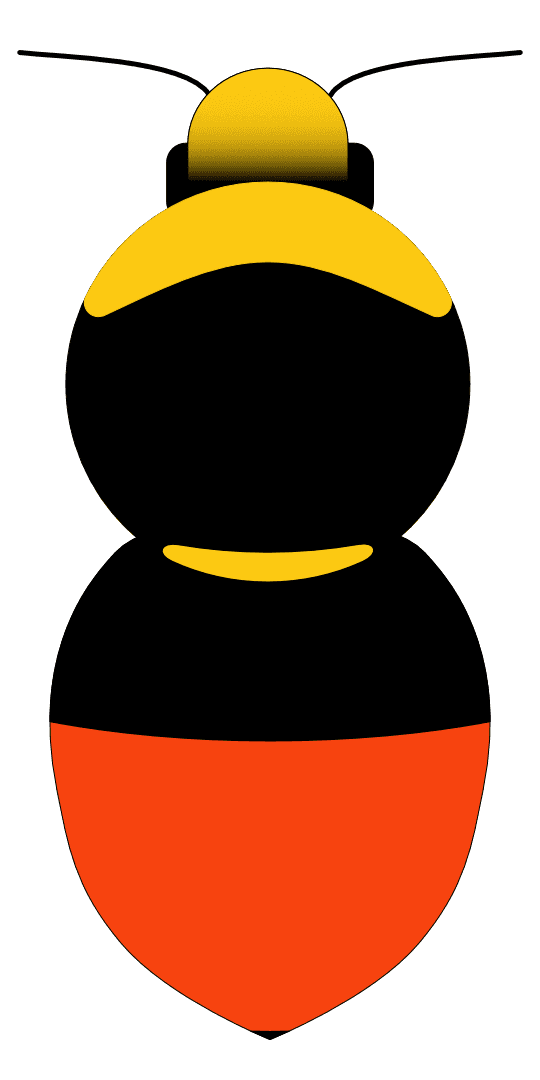
Yellow face
Collar, rear
Black
Huge red tail
WORKER
May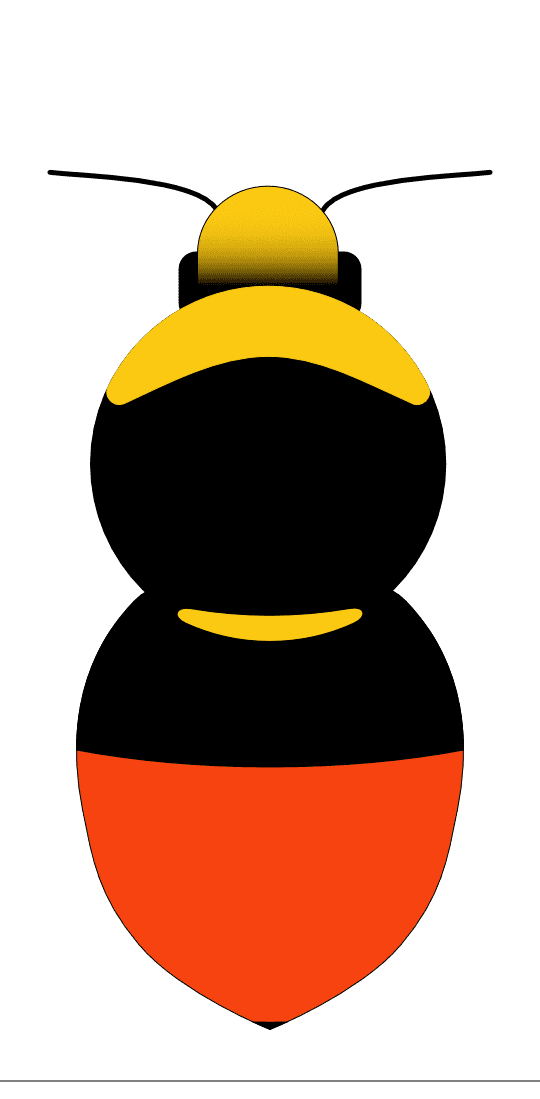
Yellow face
Collar, rear
Black
Huge red tail
MALE
July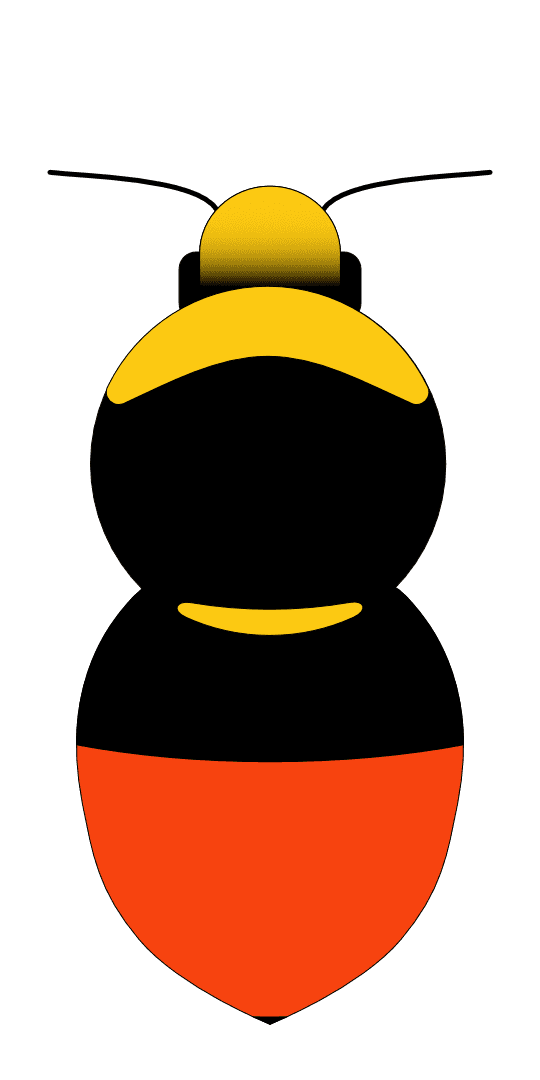
Yellow face
Collar, rear
Black
Huge red tail
Flower Preferences
Short tongue. Loves bilberries and blueberries.
Bramble
Figwort
Gorse
Raspberries
Scabious
Thistle
Trefoils
Wild thyme
Willows
Bilberry
Clover
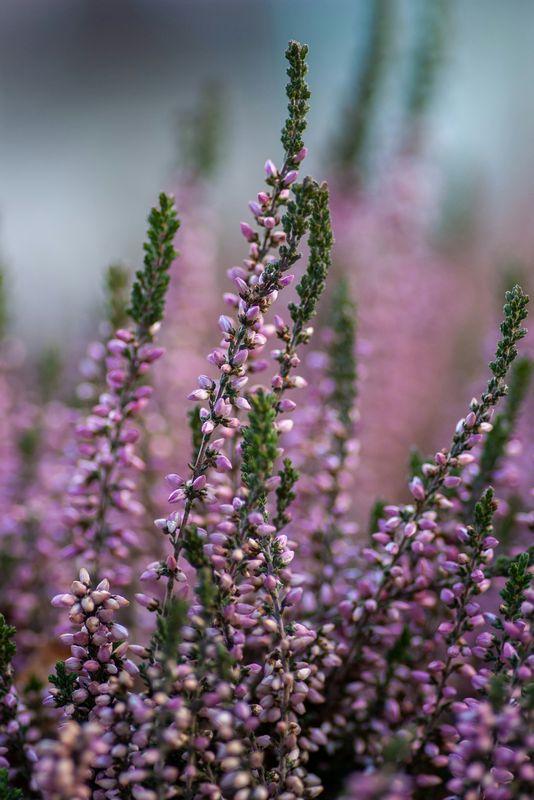
Heather
Calluna vulgaris