Loading filters...
Showing 36 cards
Print layout (A4 landscape, 2 per sheet)Ashy Mining Bee
Andrena cineraria
MALE
Black, grey face
Black, grey halo
Black, grey bands
Black, black leg hair
FEMALE
Black, grey face
Collar, rear - grey
Shiny black
Black, black leg hair
Males are fluffier than females
Large groups of males patrol nest sites
Look like male Sandpit but with black legs; and Grey-Backed Mining bees but have clear grey bands
Spring bee but occasionally new generation seen July and August

Ashy Mining Bee
Andrena cineraria
blackthorn
fruit trees
buttercups
rock rose
spurges
thrift
Nesting
Ground nester; south facing slopes in short grass, bare ground, footpaths
Usually 1 cycle per year
March - June
Large aggregations
Distribution
England and Wales, localised in western Scotland but moving north
Habitat: heaths, moors, woods, coastal grassland, cliffs, brownfield, gardens
Barbut's cuckoo bee
Bombus barbutellus
MALE
Boxy, black
Collar, rear
Front - faint
White
FEMALE
Boxy, black
Collar, rear
Front - faint
White
Big bee, short hair, visible chitin, square head
Third yellow band not always clear
Females do not have pollen baskets
Faded males with greyish bands seen late summer
Use Garden bumblebee and Ruderal bumblebee nests
Barbut's cuckoo bee
Bombus barbutellus
Brambles
Clovers
Dead-nettles
Ground ivy
Hawthorn
Knapweed
Nesting
Uses Garden and Ruderal bumblebee nests
Possibly 2 cycles a year
April - October
Numbers unknown
Distribution
South, central England, less in north, rare Wales and Scotland
Habitat: gardens, meadows, river valleys, brownfield sites, woodland
Bilberry bumblebee
Bombus monticola
QUEEN
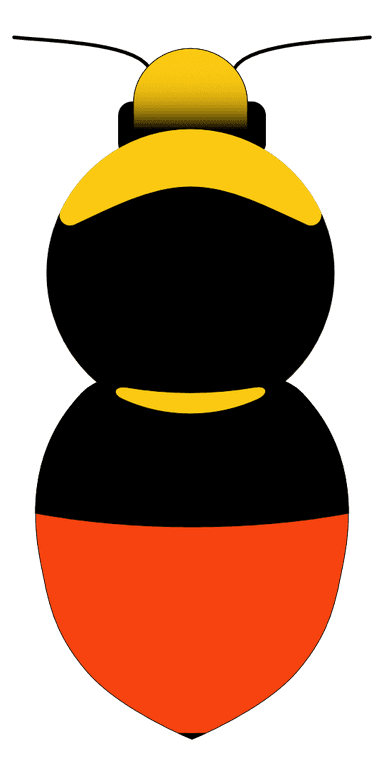
Yellow face
Collar, rear
Black
Huge red tail
WORKER
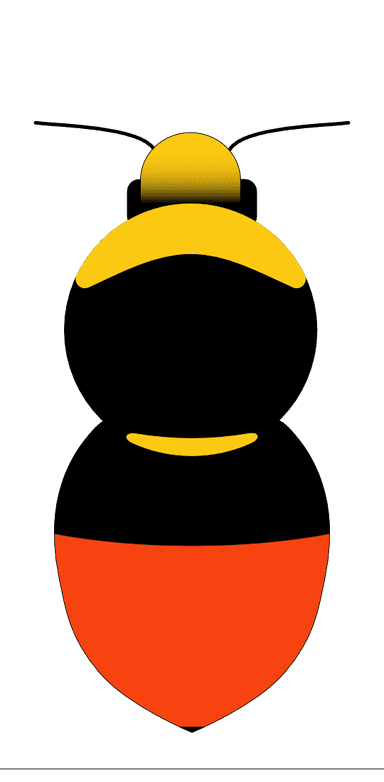
Yellow face
Collar, rear
Black
Huge red tail
MALE
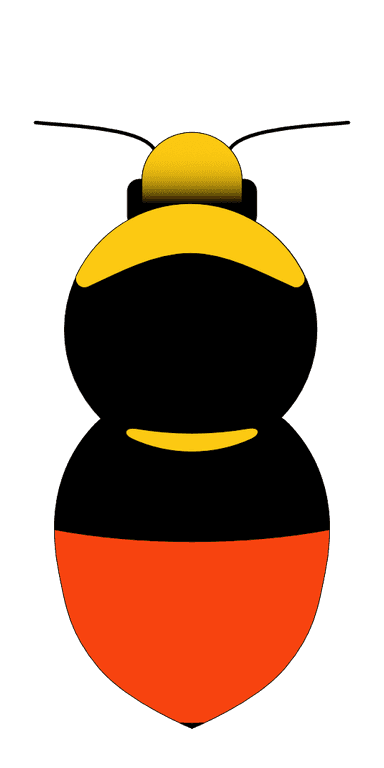
Yellow face
Collar, rear
Black
Huge red tail
Small round bees
Males have fluffier yellow faces than females
Big red tail covers over half the abdomen but colour can fade
Rare where there is no bilberry
Host to Forest cuckoo bumblebee
Bilberry bumblebee
Bombus monticola
Bramble
Figwort
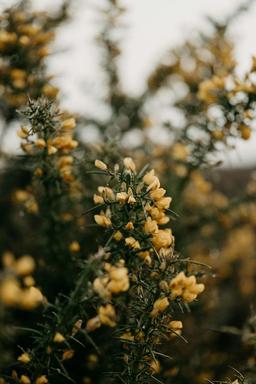
Gorse
Raspberries
Scabious
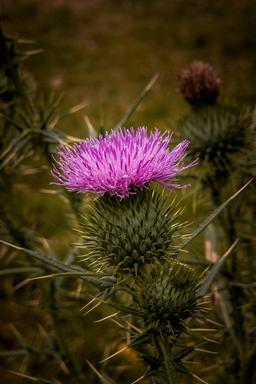
Thistle
Trefoils
Wild thyme
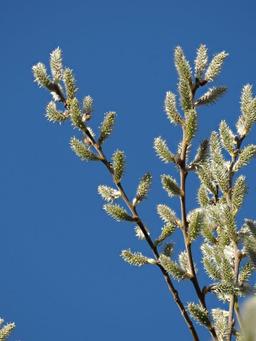
Willows
Nesting
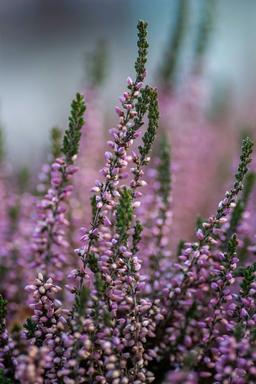
Surface (under heather and vegetation) or just beneath ground
1 cycle per year
April - September
Small: 50 - 100 workers
Distribution
Wales; Scotland; north and south-west England
Like higher ground
Habitat: heaths, moors, grasslands, open woodland
Broken-belted bumblebee
Bombus soroeensis
QUEEN
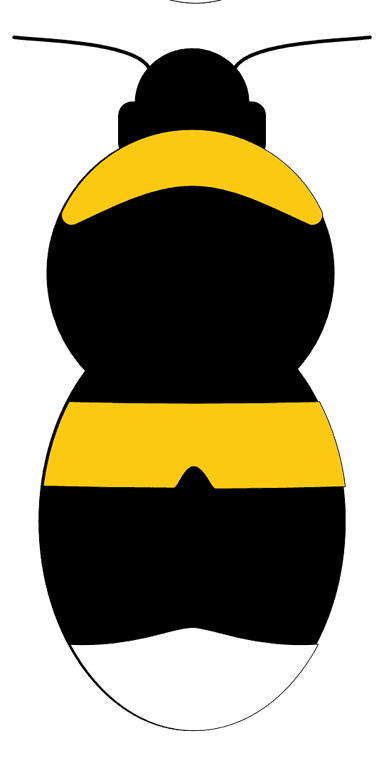
Black
Collar - lemon
Mid - notched
White, peach trim
WORKER
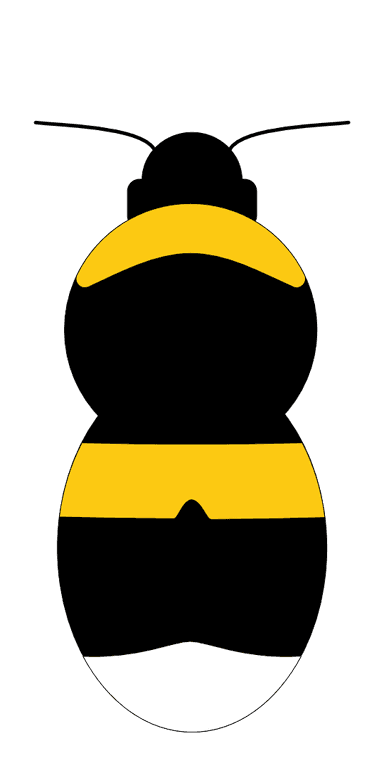
Black
Collar - lemon
Mid - notched
White, peach trim
MALE
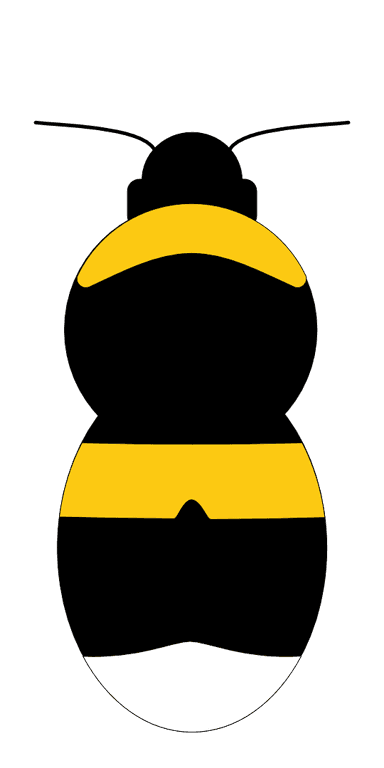
Black
Collar - lemon
Mid - notched
White, peach trim
Small bee - seen later in the year
Like small White-tailed bumblebees but longer face and peach tail-trim
Males with big tail trim may resemble Early bumblebees but have black faces
Notch is black hairs - not wear and tear
Broken-belted bumblebee
Bombus soroeensis
Bellflowers
Comfrey
Dead-nettle
Knapweed
Legumes
Raspberries
Rosebay willowherb
Scabious
Trefoils
Nesting
Underground or under cover, they like old rodent nests
Usually 1 cycle per year
May - November
Medium: around 80 - 150 workers
No known UK cuckoo
Distribution
Seen in Scotland; rare in England and Wales
Like high altitudes
Habitat: moorlands, grasslands, coastal heath, meadows, open woodland
Brown-banded carder bee
Bombus humilis
QUEEN

Ginger
Dark ginger
Dark band
Ginger
WORKER
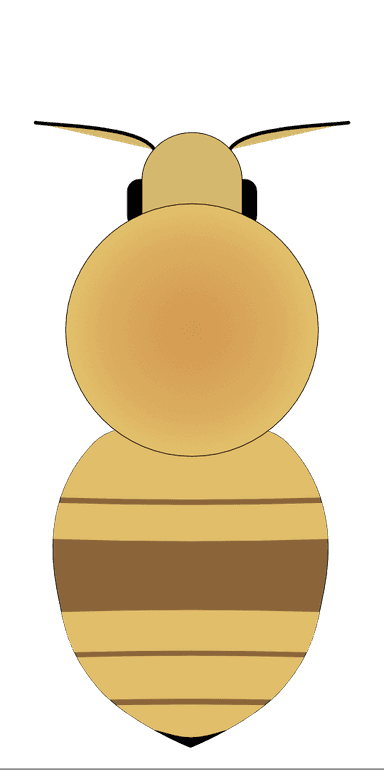
Ginger
Dark ginger
Dark band
Ginger
MALE
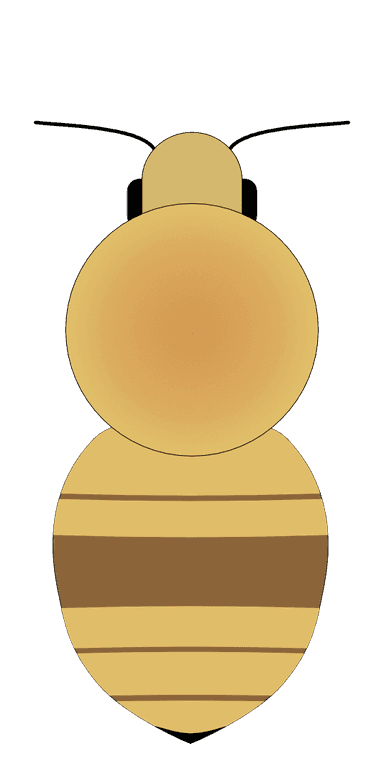
Ginger
Dark ginger
Dark band
Ginger
Small, fluffy, all ginger.
Dark thorax has pale 'halo' around edge
A few black hairs at wing base
Late flying bee - forages into Autumn
In south, more likely to be a Brown-banded rather than Moss carder bee
Brown-banded carder bee
Bombus humilis
Cat's-ear
Dead nettles
Perennial peas
Hawk's-beard
Knapweed
Red clover
Roses
Vetches
Wild basil
Nesting
Surface (in long grass), underground at times
Covers nest with grass and moss
Usually 1 cycle per year
April - October
Small: about 50 workers
Distribution
Mainly south coast of England and Wales
Habitat: heathland, flower-rich meadows and grasslands, coastal dunes, flowery brownfield sites
Buff-tailed bumblebee
Bombus terrestris
QUEEN
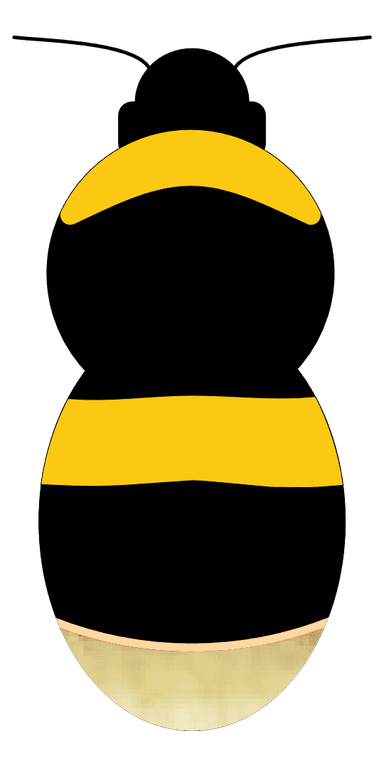
Black
Collar
Mid-band
Buff
WORKER
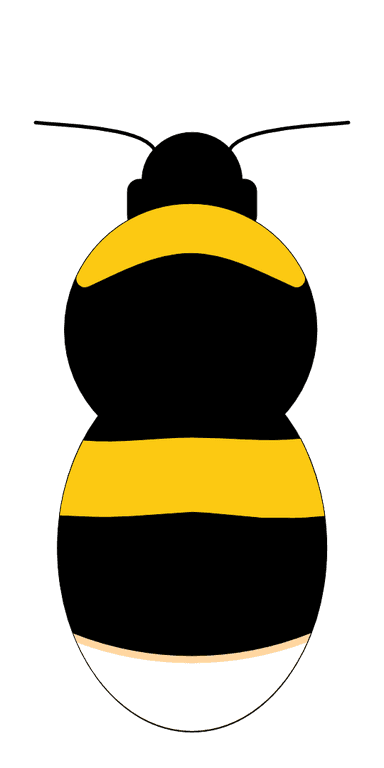
Black
Collar
Mid-band
White
MALE
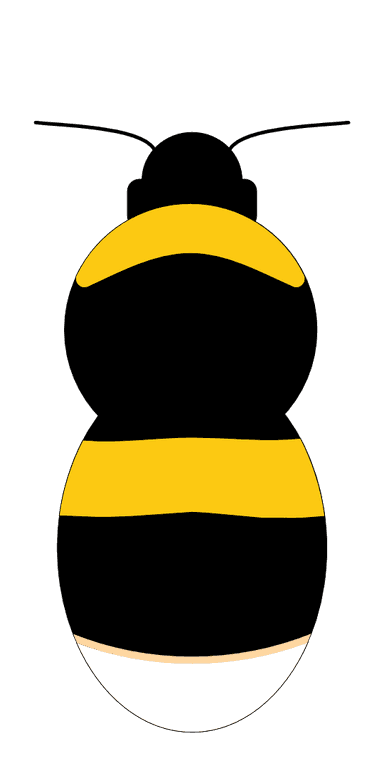
Black
Collar
Mid-band
White
Queens have buff tails and dark stripes
Workers and males have white tails - they look like White-tailed bumblebees but may have a peach trim to top of tail
If you see a bumblebee in winter it is most likely a Buff-tailed
Buff-tailed bumblebee
Bombus terrestris
Bluebells
Brambles
Crocus
Daffodils
Heathers
Ivy
Michaelmas daisies
Scabious
Willow
Nesting
Underground, in plant pots, compost heaps, under sheds
1 or 2 cycles per year, 3 in the South
February - October
Large: up to 500 workers
Distribution
Across UK (except mountainous areas)
Habitat: most habitats except high uplands, common in gardens
Card features
To help bee identification
QUEEN
Head description
Thorax bands or colour
Abdomen bands
Tail colour
WORKER
* = more information about the body pattern and variations are noted in the 'Keynotes' box below
MALE
The month written under each caste box indicates when that bee is often first seen
Keynotes:
Additional information to support identification and general notes about the bee
Card features
To help bee identification
Flowers visited
Liked flowers are listed
Some favourite flowers are pictured
This helps identification as bees have flower preferences and some are associated with specific flowers
It also gives information should you want to plant for bees!
Nesting
Brief outline of nesting habits
Bees are described as ground (surface or underground), aerial (higher spaces) cavity nesters (wall gaps, hollow tubes)
Distribution
Where bees have been recorded
Indication of favoured habitats
However, bees turn up in unexpected places
Common carder bee
Bombus pascuorum
QUEEN
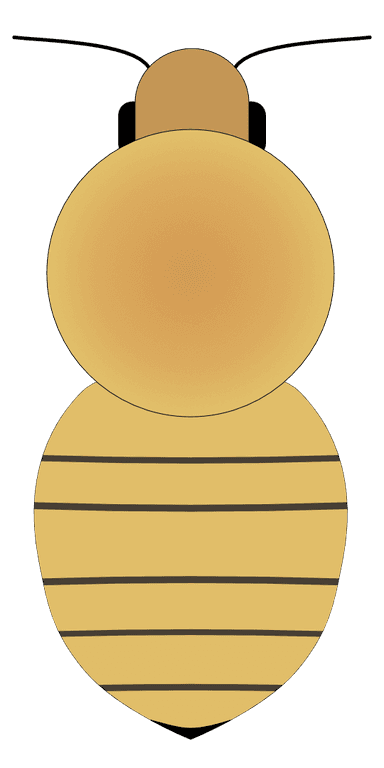
Ginger
Ginger
Ginger, black
Ginger
WORKER
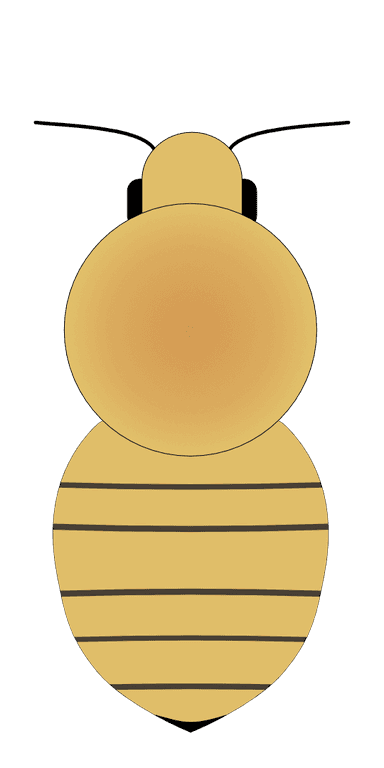
Ginger
Ginger
Ginger, black
Ginger
MALE
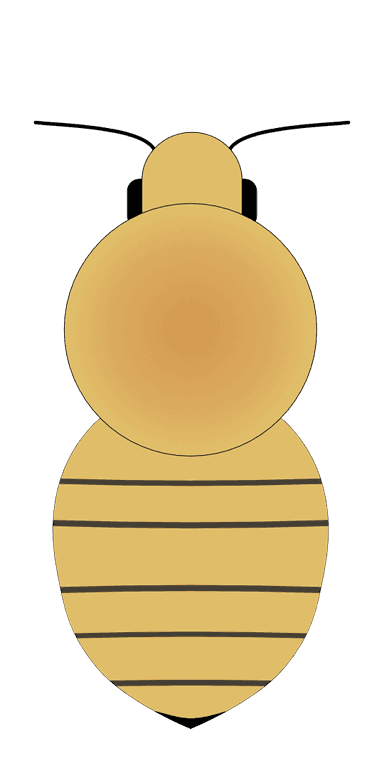
Ginger
Ginger
Ginger, black
Ginger
Fluffy and ginger with black hairs
Patterns vary; can be quite dark
Can resemble Tree bumblebees but never has white tail
Earliest carder bee seen in Spring
Covers nest with grass and moss
Common carder bee
Bombus pascuorum
Asters
Colt's-foot
Comfrey
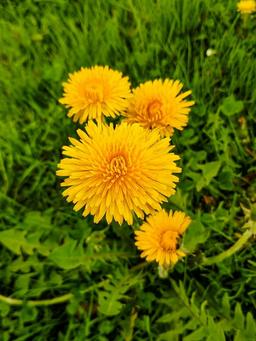
Dandelion
Gorse
Sallows
Selfheal
Thistles
Ivy
Nesting
Surface: in tall grass, under hedges, wood edges
1 or 2 cycles per year
March - November
Medium: around 100 - 150 workers
Distribution
Across the UK
Most common, widespread British bumblebee
Habitat: gardens, parks, farmland, woodland edges, meadows
Davies' Colletes
Colletes daviesanus
MALE
Pale-brown hair
Short brown hair
Shiny with pale bands
Straight legs with short, pale hair
FEMALE
Pale-brown hair
Short brown hair
Shiny with pale bands
Straight legs with short, pale hair
Smallest UK plasterer bee, main one found in gardens and only one to nest in walls
Difficult to identify - look like Ivy bees (but emerge earlier in year) and resemble honey bees (but not as smooth)
Called Plasterer bee because female uses tongue to line cells with cellophane-like substance
Davies' Colletes
Colletes daviesanus
daisies
ragwort
chamomile
yarrow
dropwort
feverfew
Nesting
South-facing bare ground, walls, soft mortar, sandstone, cliffs
Dig tunnel with horizontal side shoots of 1 - 10 cells
Fly: June - September
Large aggregations
Distribution
Across the UK
Habitat: gardens, coastal dunes, sandstone cliffs, sandy grasses, paths, urban areas, field margins, soft mortar
Early bumblebee
Bombus pratorum
QUEEN

Black
Collar
Mid-band
Red
WORKER
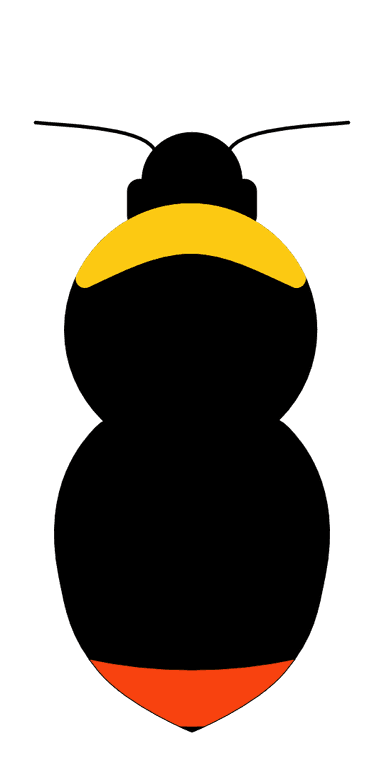
Black
Collar
Mid-band
Red
MALE
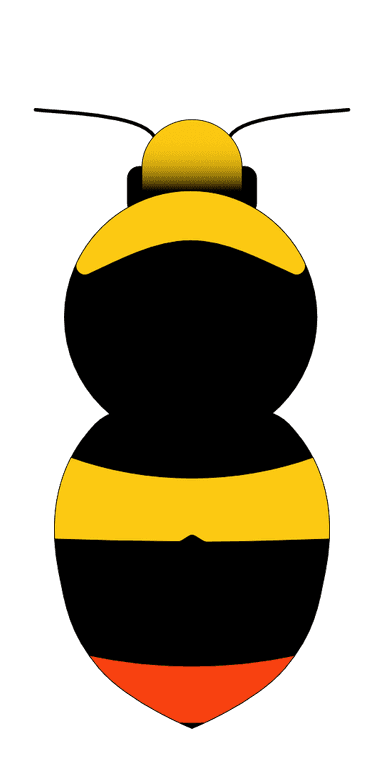
Yellow
Collar, rear sometimes
Mid-band
Red
The UK's smallest bumblebee
Males are very yellow and fluffy, with yellow faces and red tail
Queens sometimes seen in February
Like most habitats
Widespread and most common British bumblebee
Early bumblebee
Bombus pratorum
Colt's-foot
Dandelion
Currants
Cranesbill
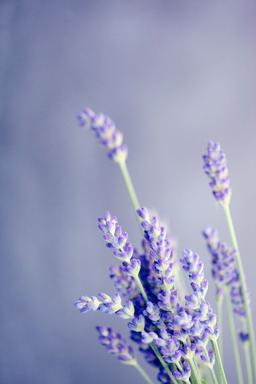
Lavender
Pulmonaria
Pyracantha
Snowdrops
White clover
Nesting
Underground, on surface in thick vegetation, bird boxes, tree holes, roof gaps
1 or 2 cycles per year
Small: fewer than 100 workers
Distribution
Widespread; but not Hebrides or Northern Isles
Habitat: especially like gardens, parks, woods, brownfield, scrubland with brambles
Field Cuckoo Bumblebee
Bombus campestris
MALE
Boxy, black
Collar, rear
Black
Yellow - large
FEMALE
Boxy, black
Collar, rear
Black
Yellow - large
Only cuckoo bee with a yellow tail
Males very variable, from almost all yellow to all black
Females have black 'V' in yellow tail
Always has shiny abdomen, often have dark wings
No pollen baskets
Field Cuckoo Bumblebee
Bombus campestris
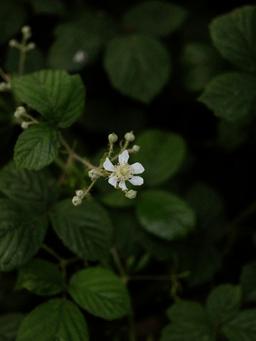
Bramble
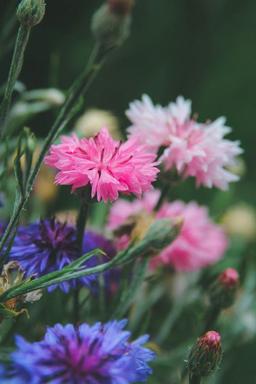
Dandelions
Clover
Ground-ivy
Hawthorn
Knapweeds
Scabious
Teasel
Thistles
Nesting
Uses nests of Carder bumblebees
Surface, in tall grass, under hedges, woodland edges
1 or 2 cycles per year
Numbers unknown
Distribution
Widespread in England, Wales; rare and coastal in Scotland and Ireland
Habitat: flower-rich habitats, urban, woodlands, gardens, hedgerows, meadows
Forest Cuckoo Bumblebee
Bombus sylvestris
MALE
Boxy, black
Collar
Front
White, black, red
FEMALE
Boxy, black
Collar
Front
White, yellow trim
Earliest emerging, and smallest, British cuckoo bumblebee
Front abdomen band can be very faint
Females have very downcurved abdomen
Males very variable but have distinctive white tail with black band and red tip
Forest Cuckoo Bumblebee
Bombus sylvestris
Bilberry
Brambles
Knapweed
Scabious
Willow
Nesting
Uses Early, Heath, Bilberry bumblebee nests
Underground, in thick vegetation, bird boxes, tree holes etc.
1 or 2 cycles per year
Numbers unknown
Distribution
Widespread across UK
Can be common in some areas, less common in Ireland
Habitat: woodlands, gardens, parks, heaths, moors
Garden bumblebee
Bombus hortorum
QUEEN
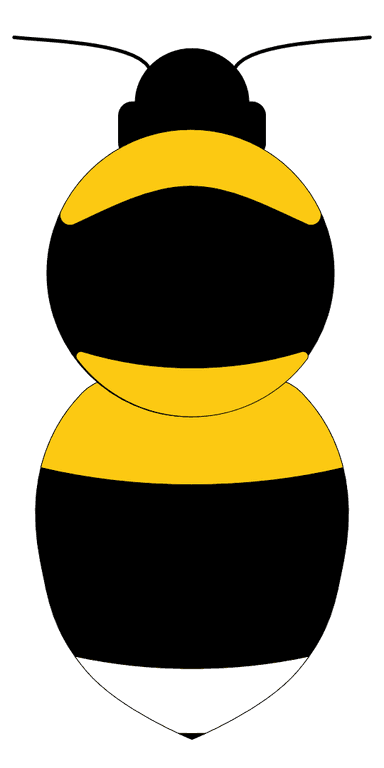
Black, long
Collar, rear
Front
White
WORKER
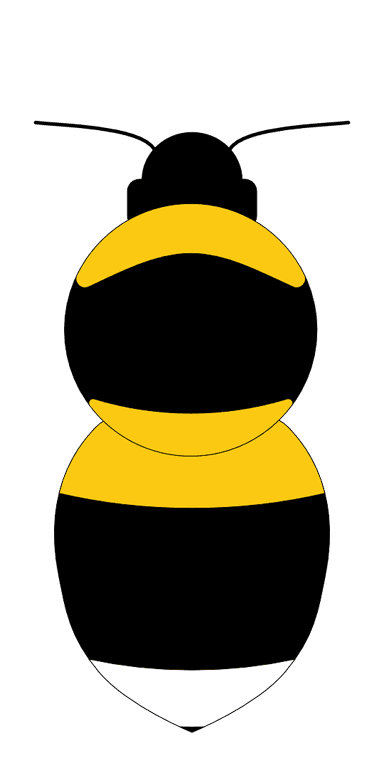
Black, long
Collar, rear
Front
White
MALE
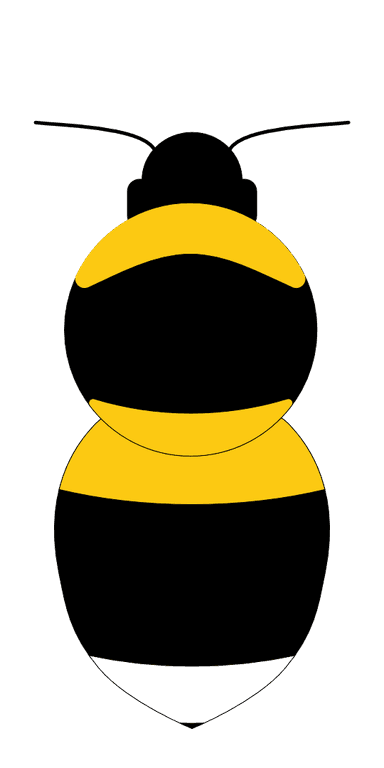
Black, long
Collar, rear
Front
White
Has longest tongue of any bee in the world
Face is long and thin
Collar band is thicker than rear band
All castes have same colour pattern
Dark form has no yellow bands - but always has white tail
Garden bumblebee
Bombus hortorum
Bowle's mauve
Cherries
Comfrey
Dead-nettles
Ground ivy
Honeysuckle
Lavender
Red clover
Thistles
Nesting
Underground, above ground in leaf litter and covered spaces
1 cycle, 2 in the South
Small - medium: up to 150 workers
Distribution
Widespread across UK
Habitat: common in gardens, brownfield sites and woods, also seen in meadows, scrubland, farmlands, flower-rich grasslands
Great Yellow bumblebee
Bombus distinguendus
QUEEN
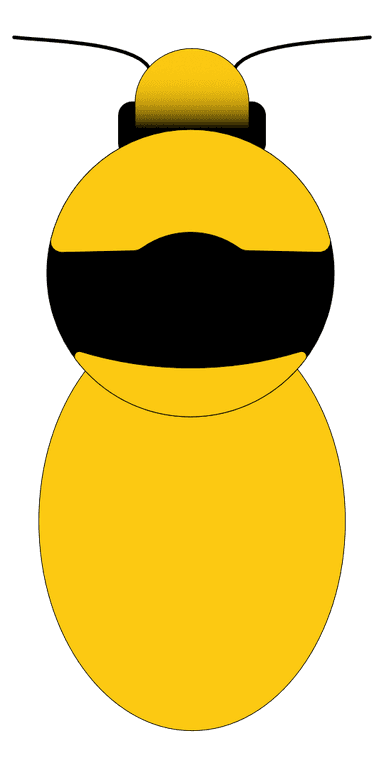
Yellow
Collar, rear
Yellow
Yellow
WORKER
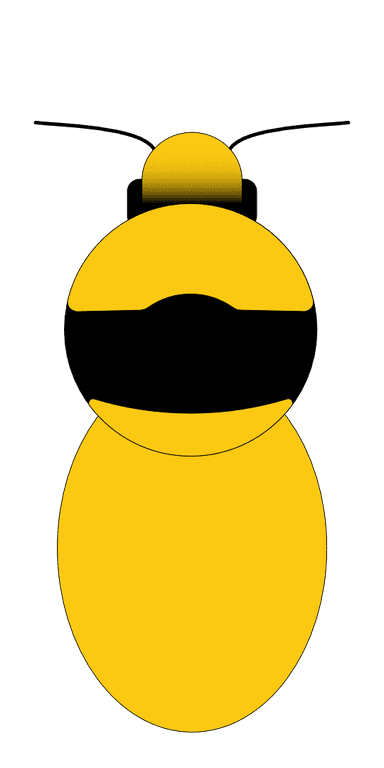
Yellow
Collar, rear
Yellow
Yellow
MALE
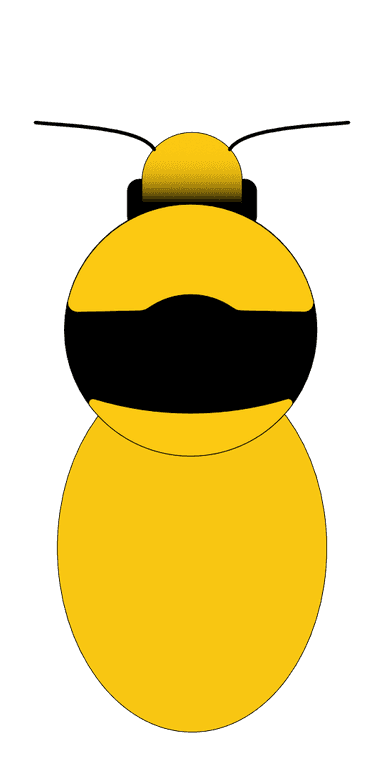
Yellow
Collar, rear
Yellow
Yellow
Very rare - only seen in very north of Scotland and some islands
Emerge quite late - from mid-May
All castes have same pattern
Likes wildflower meadows, machair and coastal dunes
Great Yellow bumblebee
Bombus distinguendus
Cat's-ear
Crane's-bill
Harebell
Phacelia
Scabious
Thistles
Trefoils
Wild carrot
Yellow-rattle
Nesting
Underground; old rodent nests
1 cycle per year
Small: around 50 - 80 workers
Distribution
Only in Caithness, Sutherland, Orkney and Hebrides
Habitat: coastal dunes, flower-rich grasslands, occasionally gardens
Gypsy cuckoo bee
Bombus bohemicus
MALE
Boxy, black
Collar, rear
Front
White tail, yellow trim
FEMALE
Boxy, black
Collar, rear
Black
White - yellow trim
Boxy head, dark wings, visible chitin
White tail has yellow trim on the sides
Looks like a Southern cuckoo but with longer hair and central black 'V' in tail
Males have yellow band at front of abdomen and are smaller than females
Gypsy cuckoo bee
Bombus bohemicus
Bilberry
Bugle
Dandelion
Heathers
Knapweed
Raspberry
Scabious
Teasel
Umbellifers
Nesting
Uses nests of White-tailed bumblebees (agg.)
1 cycle per year
Usually gone by September
Numbers unknown
Distribution
Less common; but widespread across north and west of UK
Declining in South and East England
Habitat: heathland, moorland and uplands
Hairy-footed Flower Bee
Anthophora plumipes
MALE
Fluffy yellow, big eyes
Ginger
Ginger
Ginger
Middle legs are thin with long hair
FEMALE
Black
Black
Black
Black
Orange-red leg hair
Like small, round bumblebees with loud buzz
Often fly with long tongue extended
Fast, darting flight, can hover well
Collect pollen on legs
Males territorial and patrol nests and flowers
Might use a home-made bee brick
Hairy-footed Flower Bee
Anthophora plumipes
cowslip
daffodil
dead nettles
honesty
primrose
willow
Nesting
Old walls, soft mortar, cliffs, occasionally in compact, muddy slopes
Line nest with waterproof lining
February - June
Large aggregations
Distribution
England (especially south), Wales, more rare in Scotland
Urban areas, parks, gardens, parks, woods, quarries, cliffs
Heath bumblebee
Bombus jonellus
QUEEN
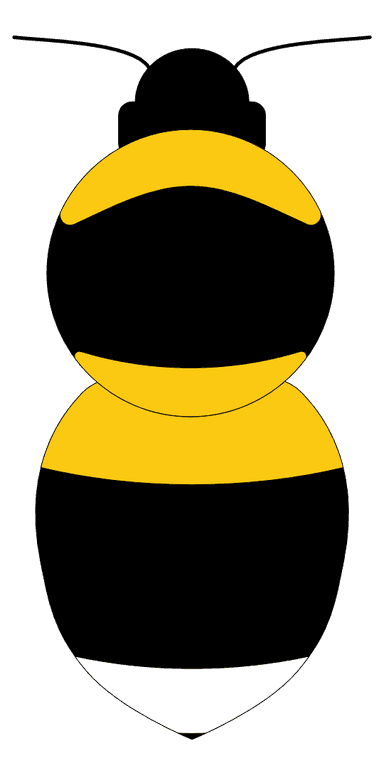
Black
Collar, rear
Front
White - Buff
WORKER
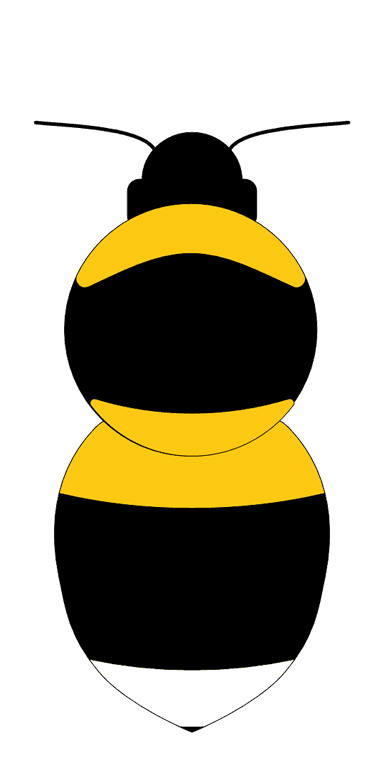
Black
Collar, rear
Front
White - Buff
MALE
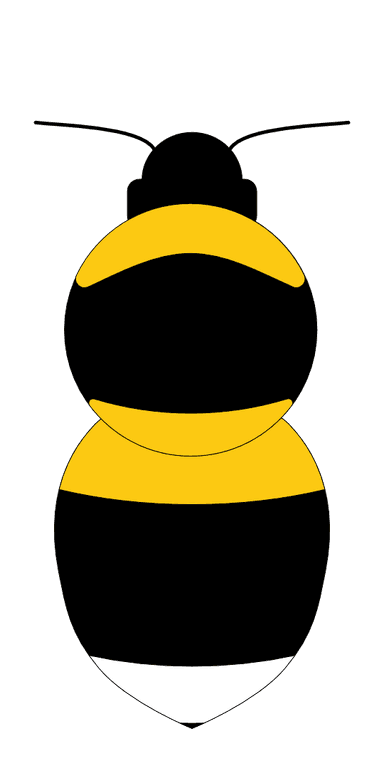
Yellow
Collar, rear
Front
White - Buff
Early flying - from February
Looks like a small, fluffy Garden bumblebee but with a short, wide face
Males have fluffy, yellow faces
Often have dark forms, especially queens
Often have buff tail in Shetlands and Western Isles
Heath bumblebee
Bombus jonellus
Brambles
Knapweed
Legumes
Sallows
Scabiouses
Thistle
Thyme
Umbellifers
Willows
Nesting
Underground (old rodent nests); under thick vegetation; birds nests, tree holes
1 cycle per year, 2 in south
Small: about 50 workers
Distribution
Across UK but more common in Highlands and English south coast
Habitat: heathland, moorland, uplands, highlands and coastal habitats
Honey Bee
Apis mellifera
QUEEN
Hairy eyes
Brown
Banded, long
Black tip
Small pollen baskets
WORKER
Hairy eyes
Brown
Banded
Black tip
Big pollen baskets
MALE
Huge eyes
Brown
Banded
Black tip
No pollen baskets
Banding varies from dark to almost orange
Males' (Drones') huge eyes meet on head
Legs often dangle down when flying
If it's buzzing it's probably a Honey bee, if it's got skinny legs it's probably a solitary bee
The only UK bee to make honey
Honey Bee
Apis mellifera
cosmos
cornflower
dandelions
ivy
fruit trees
willows
Nesting
Usually managed hives; hollow trees, roofs, building cavities
Hexagonal, wax cells
Fly: all year round, most active March - October
50, 000 + workers
Distribution
Found across UK
Habitat: most habitats; gardens, open woods, meadows, farmland; don't like dense woods or exposed areas
Ivy Bee
Colletes hederae
MALE
Orange-brown hair
Orange-brown hair
Smooth, cream bands
Black tip
FEMALE
Orange-brown hair
Orange-brown hair
Smooth, cream bands
Black tip
A Plasterer bee
Last solitary bee to emerge in UK
Resemble honey bees and other Plasterer bees but with very clear, broad abdomen bands
Males slimmer than females
First noted on UK mainland in 2001
Ivy Bee
Colletes hederae
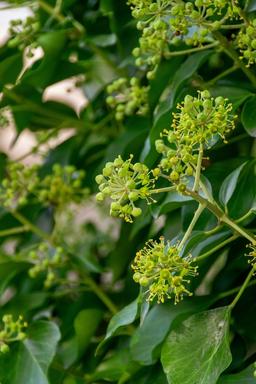
ivy
bristly oxtongue
wall rocket
sea aster
heather
Nesting
Bare, light soil in south-facing slopes, paths, crumbly cliffs
Horizontal burrow with vertical shafts
Large aggregations
August - November
Distribution
Southerly England and Wales, moving northwards
Habitat: Urban areas, lawns, parks, allotments, farms, coastal, heaths, dunes
Little Blue Carpenter Bee
Ceratina cyanea
MALE
Dark blue, cream patch
Dark blue, shiny
Dark blue, shiny
Dark blue, teardrop shape
FEMALE
Dark blue, shiny
Dark blue. shiny
Dark blue, shiny
Dark blue, teardrop shape
Very smooth, may carry pollen internally
Use mandibles to excavate wood
Females live up to 18 months and look after developing eggs
Very small and difficult to find
The only British Ceratina bee
Little Blue Carpenter Bee
Ceratina cyanea
fairy flax
cornflower
buttercups
germander
speedwell
sheep's-bit
Nesting
Dead wood, hollow twigs and stems close to ground
Uses pith from sticks
Overwinter in the twigs
May - September
Distribution
Southeast England, moving northwards
Habitat: warm, dry areas, bramble and rose patches, downs, heaths, brownfield, open woods
Marsham's Nomad Bee
Nomada marshamella
MALE
Black, yellow chin
Black, brown wing base
Black, yellow bands
Yellow
Orange legs
FEMALE
Orange antennae
Black, yellow dots
Black, yellow bands
Yellow, fluffy tip
Orange legs
Wasp-like appearance, quite big and smooth
Look a lot like other Nomad bees (e.g. Gooden's and Orange-Horned Nomad bees)
Males sometimes have yellow dots on thorax
Females flying around burrows can indicate presence of hosts
Marsham's Nomad Bee
Nomada marshamella
bilberry
crane's-bill
daisies
hawthorn
speedwell
thrift
Nesting
Cleptoparasite - uses Miner bees as hosts
1 cycle per year, 2 if host has two cycles
Fly April - June; July - August if 2 cycles
Distribution
Across Britain
Habitat: urban spaces, gardens, rural areas, gardens, open ground, woods, coastal, inland
Moss carder bee
Bombus muscorum
QUEEN
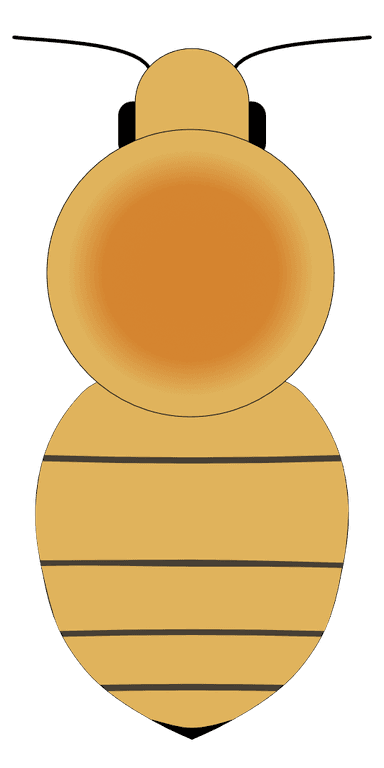
Ginger
Ginger
Ginger
Ginger
WORKER
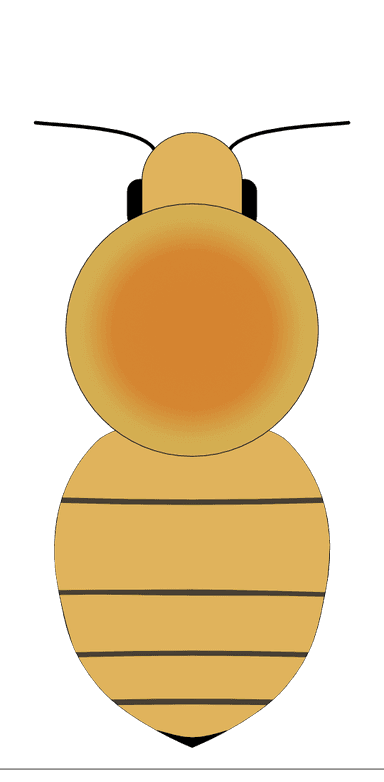
Ginger
Ginger
Ginger
Ginger
MALE
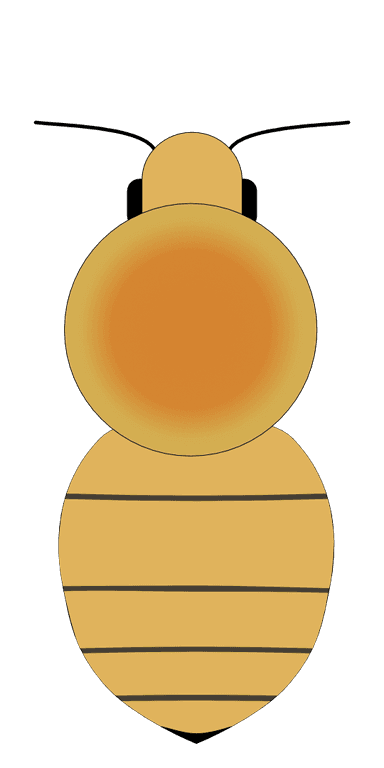
Ginger
Ginger
Ginger
Ginger
May have golden 'halo' around thorax
Occasionally has brown band at top of abdomen
Never has any black hairs
On Scottish and Channel Islands, has dark form with black thorax and dark-ginger abdomen
Moss carder bee
Bombus muscorum
Dead-nettles
Lathyrus peas
Red bartsia
Scabious
Sow-thistle
Teasel
Trefoils
Vetches
Wall-rockets
Nesting
Surface (or just below) in tall grassland
1 cycle per year
Covers nest with grass and moss
Small: fewer than 100 workers
Distribution
Slightly more common in north and Scotland
Coastal in England and Wales
Habitat: flowery grasslands, meadows, marshes, moors
Red Mason Bee
Osmia bicornis
MALE
Pale yellow hair
Pale brown 'halo'
Orange-red
Orange-red
FEMALE
Black, two 'horns'
Pale brown 'halo'
Orange-red
Orange-red
Can be quite orange but variable
Males have pale-yellow face hair
Males emerge first and wait around for females
Females use 'horns' to make nest cells from mud
Pollen collected under abdomen
Spend winter as adults in cocoons
Red Mason Bee
Osmia bicornis
forget-me-not
fruit trees
garden plants
plum
raspberry
sallow
Nesting
Use holes in dead wood, walls, buildings, hollow stems, bee hotels
Made from wet mud
One cycle per year
April - July
Distribution
Common England and Wales, less common Scotland
Habitat: built and urban environments, gardens, churchyards, parks
Red-shanked carder bee
Bombus ruderarius
QUEEN
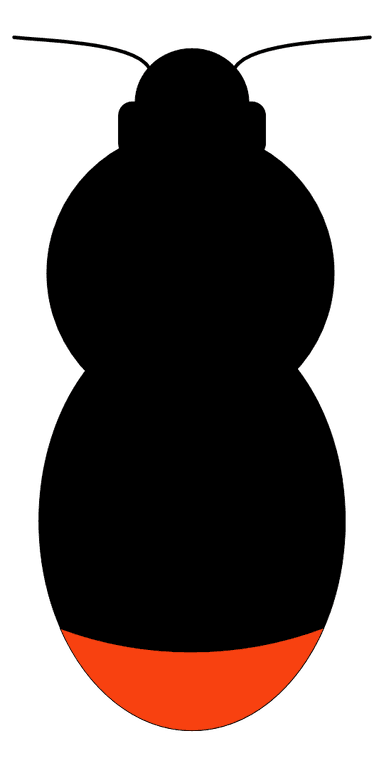
Black
Black
Black
Orange-red
Red leg hair
WORKER
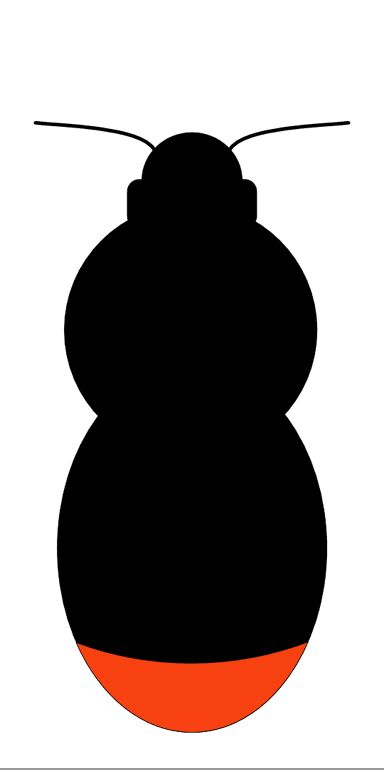
Black
Black
Black
Orange-red
Red leg hair
MALE

Black
Collar, rear
Front
Orange-red
Red leg hair
One of UK's rarest species
Resemble Red-tailed bumblebees but have orange leg hair and orange-red tail
Males variable but are dull with black faces; Red-tailed bumblebees have yellow faces
Emerge quite late but usually gone by August
Red-shanked carder bee
Bombus ruderarius
Black angelica
Brambles
Clover
Dead-nettle
Kidney vetch
Lavender
Stork's bills
Thistle
Trefoil
Nesting
Underground; surface in long grass
Covers nest with grass and moss
1 cycle per year
Small: around 20 -100 workers
Distribution
South and south-east England, south Wales, Hebrides, Channel Islands
Habitat: open, flowery grassland, gardens, brownfield sites
Red-tailed bumblebee
Bombus lapidarius
QUEEN
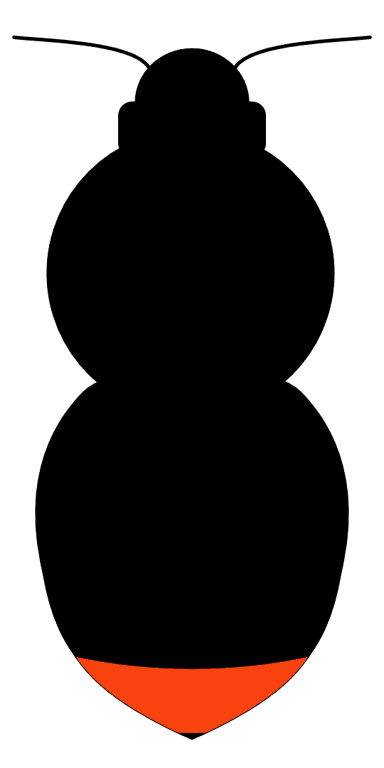
Black
Black
Black
Red
WORKER
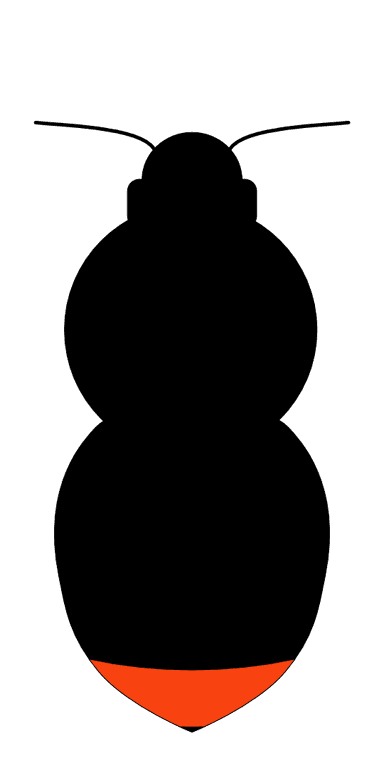
Black
Black
Black
Red
MALE
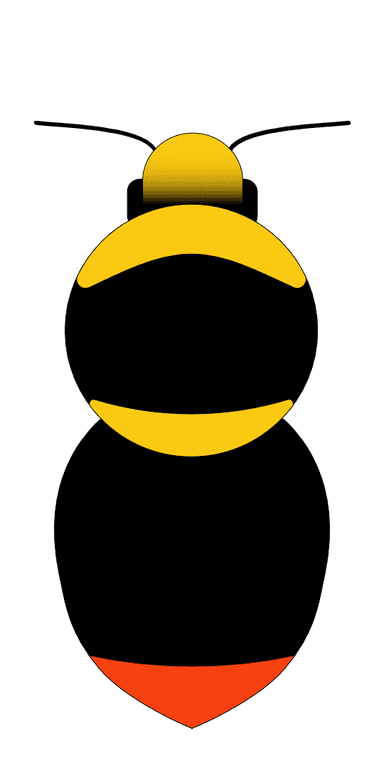
Yellow
Collar, rear
Black
Red
Velvety, black bee
Red tail fades to ginger or yellow
Males are very fluffy and quite yellow
One of first bees to emerge in Spring
New queens can be flying until October
Can hibernate communally
Red-tailed bumblebee
Bombus lapidarius
Asters
Honeysuckle
Knapweed
Lavender
Melilots
Ragwort
St-John's wort
Teasel
Willow
Nesting
Underground, enclosed spaces (e.g. under rocks)
1 cycle per year, 2 in South
Large: up to 300 workers
Distribution
More common as you go South, scarce in Scotland but moving northwards
Habitat: flower and clover-rich areas, gardens, wood edges, brownfield sites; avoids high, exposed areas
Red-tailed cuckoo bee
Bombus rupestris
MALE
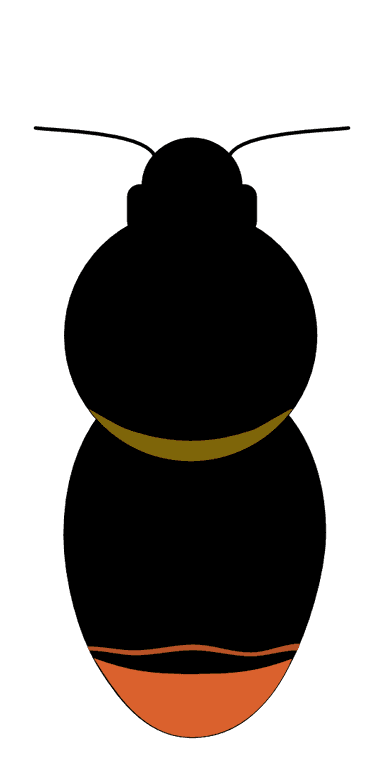
Boxy, black
Collar, rear
Pale bands
Orange-red
FEMALE
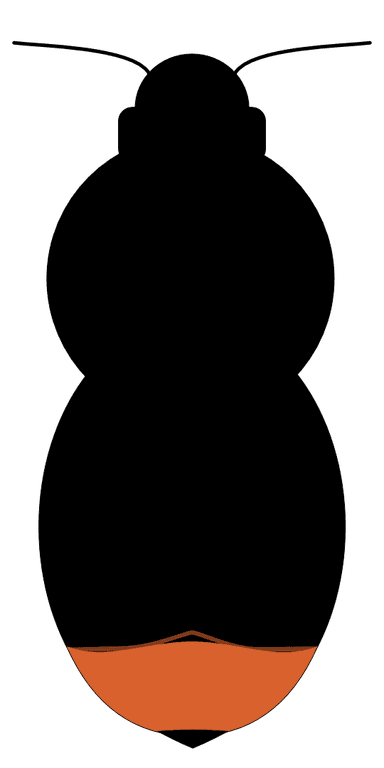
Boxy, black
Black
Black
Orange-red
Big with long body, thin hair and visible chitin
No pollen basket - females have round legs with short hairs
Males have pale-yellow bands and fluffy orange/red hairs on legs
Red-tailed cuckoo bee
Bombus rupestris
Iceplant
Kidney vetch
Knapweed
Lavender
Oxeye daisies
Ragworts
Scabious
Teasel
White clover
Nesting
Uses nests of Red-tailed bumblebees
Underground, enclosed spaces (e.g. under rocks)
1 cycle per year
Numbers unknown
Distribution
Widespread in south of England, rarer further north and west but moving northwards
Habitat: many flower-rich habitats but avoids high, exposed areas
Ruderal bumblebee
Bombus ruderatus
QUEEN
Black face
Collar, rear
Front
White
QUEEN
Black
Collar, rear
Front
White
WORKER
Black
Collar, rear
Front
White
Looks like a neat Garden bumblebee but the collar and rear thorax bands are equal in width
White tail can sometimes have yellow tinge
Has an all black form
Also called the 'Large garden bumblebee'
Ruderal bumblebee
Bombus ruderatus
Bear's britches
Borage
Knapweeds
Teasel
Thistles
Trefoils
Vetches
Viper's bugloss
Woundwort
Nesting
Underground; likes old rodent nests
Usually 1 cycle per year
Medium: around 150 workers
Distribution
South of England, Lincolnshire and Midland, occasionally in Wales, not found in Scotland
Habitat: farmland, wildflower areas, river valleys, brownfield sites, occasionally woods and urban spaces
Short-haired bumblebee
Bombus subterraneus
QUEEN
Black
Collar, rear
Faint bands
White, yellow trim
WORKER
Black
Collar, rear
Faint bands
White, yellow trim
MALE
Yellow
Collar, rear
Yellow
Yellow
Reintroduction project in south of England in 2010's seems unsuccessful
Long face but rounder than Garden and Ruderal bumblebees
Often two abdomen bands but can be faint
Dark form has buff tail
Short-haired bumblebee
Bombus subterraneus
Brambles
Comfrey
Honeysuckle
Red clover
Teasel
Trefoils
Vetches
Viper's bugloss
White dead-nettles
Nesting
Underground; liked old rodent nests
1 cycle per year
Small - medium: around 75-150 workers
Distribution
Probably extinct in UK
In past: south-east England, rarely further north and Wales
Habitat: wetlands, flowery meadows and grasslands
Shrill carder bee
Bombus sylvarum
QUEEN
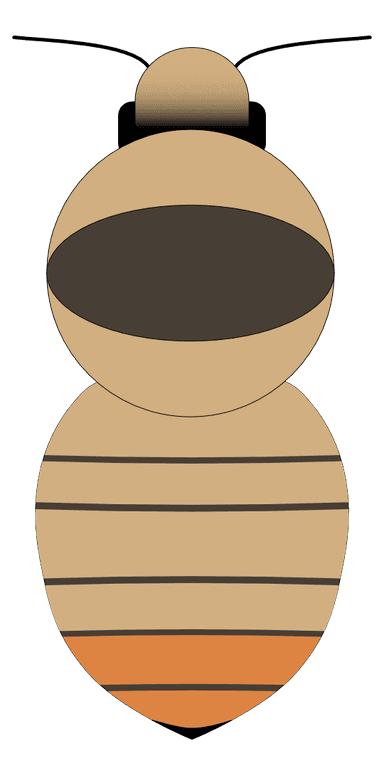
Straw
Collar, rear
Straw bands
Ginger
WORKER
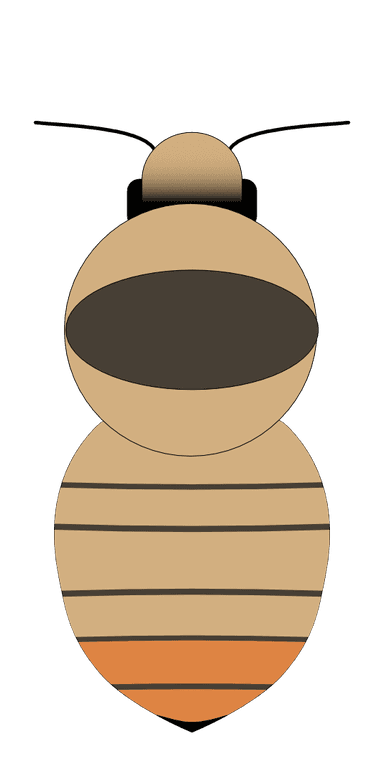
Straw
Collar, rear
Straw bands
Ginger
MALE
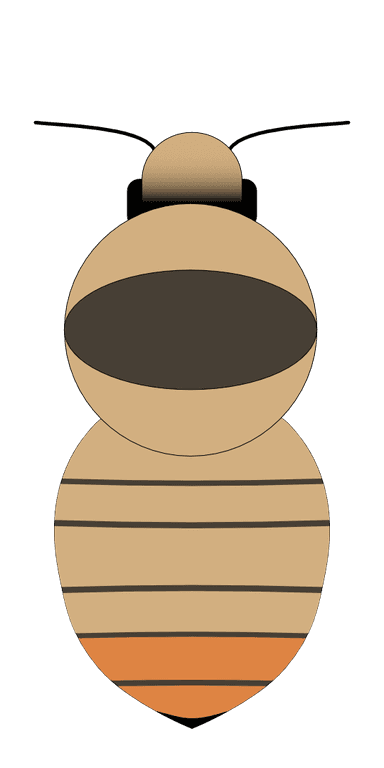
Straw
Collar, rear
Straw bands
Ginger
Straw-coloured bands look 'washed-out'
Very rare
Late emerging bee
High-pitched buzz
Likes flower-rich grasslands
Shrill carder bee
Bombus sylvarum
Trefoils
Bristly oxtongue
Creeping thistle
Everlasting peas
Knapweed
Ragwort
Nesting
Ground surface in thick vegetation and tussocky grassland
Covers nest with grass and moss
Small: up to 70 workers
Distribution
Very localised in South England and coastal Wales
Habitat: flower-rich sand dunes, heaths, salt-marshes, shingle beaches, chalk downs
Southern cuckoo bee
Bombus vestalis
MALE
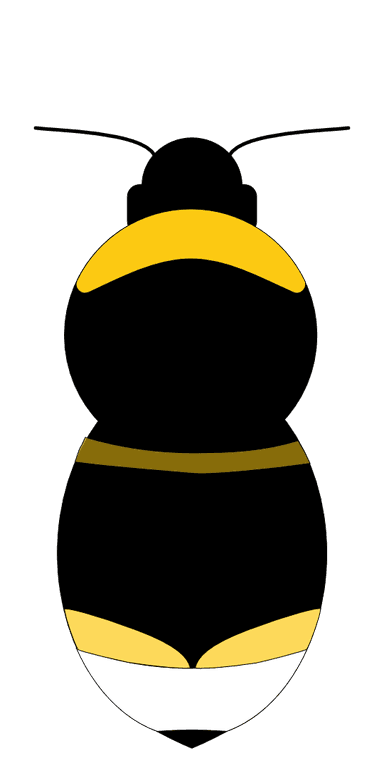
Black, boxy
Collar, rear - faint
Front - faint
White, yellow trim
FEMALE
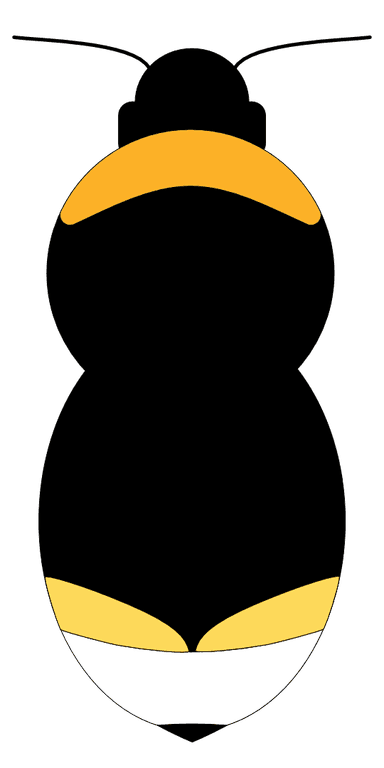
Black, boxy
Collar, rear - faint
Black
White, yellow trim
Resembles Gypsy cuckoo bee but neater with gingery collar (when new)
Has rear band, but this is faint
Males often have faint front-band on abdomen
No pollen baskets
Wings are darker than social bumblebees
Southern cuckoo bee
Bombus vestalis
Blackthorn
Cherry
Clover
Ground ivy
Hebes
Wallflowers
Nesting
Uses nests of Buff-tailed bumblebees
1 cycle per year
Numbers unknown
Distribution
Common in England, rare elsewhere
Habitat: urban green spaces, gardens, open habitats, wildflower meadows, hedgerows, woods, heaths
Tawny Mining Bee
Andrena fulva
MALE
White beard
Brown hair
Thin, pale brown bands
Black
FEMALE
Orange-red
Orange-red
Orange-red
Orange-red
Brown males less recognisable than females
Females use mandibles to move soil
Pollen collected on legs and thorax
Seen in lawns, flowerbeds, footpaths
Can form large aggregations
One of over 65 Miner bees found in the UK
Tawny Mining Bee
Andrena fulva
blackthorn
buttercups
cherry laurel
hawthorn
maples
plum
Nesting
South-facing slopes and flat ground with bare soil
Vertical tunnel, horizontal side chambers
1 cycle per year
Distribution
Across UK, less common in Scotland
Habitat: wide range and variety of habitats including urban areas, gardens, parks, field edges
Tree bumblebee
Bombus hypnorum
QUEEN
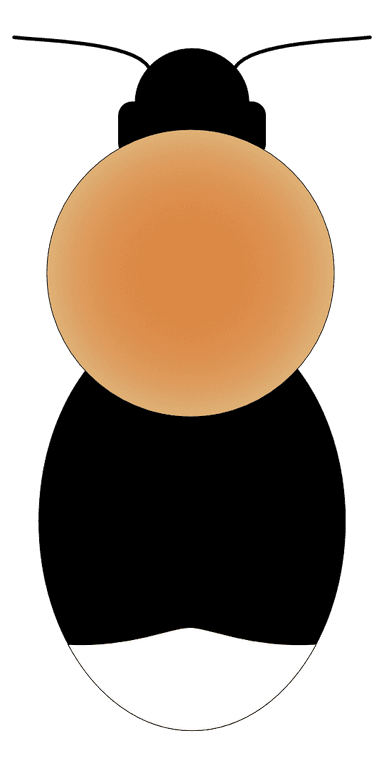
Black
Ginger
Black
White
WORKER
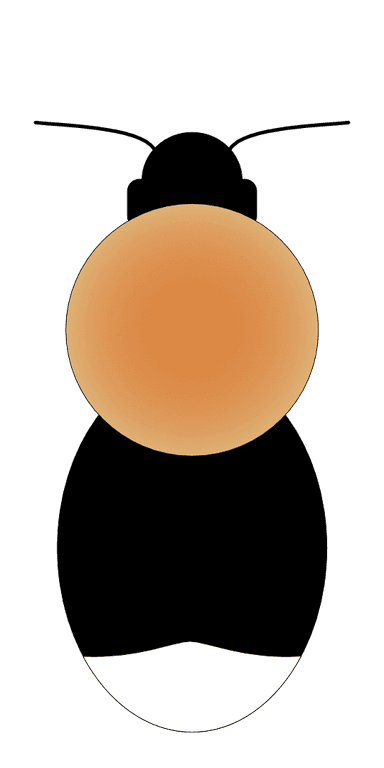
Black
Ginger
Black
White
MALE
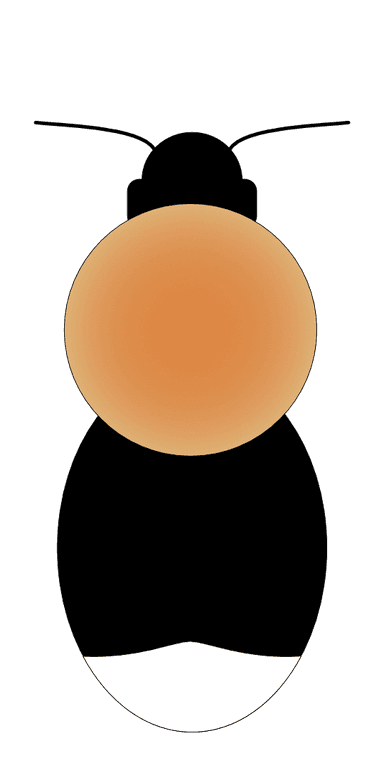
Black
Ginger
Black
White
Has black form but always has white tail
Nest high up and large groups of males fly around nest entrance
Queens can hibernate in dead wood
Not keen on large, wide-open habitats
First recorded in UK in 2001; now widespread
Tree bumblebee
Bombus hypnorum
Blackthorn
Grape hyacinth
Pyracantha
Raspberries
Sallow
Teasel
Nesting
Aerial: in trees, bird boxes, roofs, house eaves; occasionally underground
2 cycles per year
Medium: around 150 workers
Distribution
England, Wales, becoming common in Scotland
Habitat: gardens, allotments, woodland, brambly grasslands
Violet Carpenter Bee
Xylocopa violacea
MALE
Black, boxy
Blue-black, shiny
Bkue-black, shiny
Blue-black, shiny
FEMALE
Blue-black, boxy
Blue-black, shiny
Blue-black, shiny
Blue-black, shiny
First recorded in England in early 2000's
A large carpenter bee - largest solitary bee seen in the UK
Can be mistaken for a worn bumblebee
Collect pollen on hind legs
Females have strong jaws to burrow into wood
Violet Carpenter Bee
Xylocopa violacea
buddleia
lavender
runner beans
tree mallow
wisteria
spring flowering shrubs
Nesting
Wood, hollow stems
Overwinter as adults
Distribution
Southerly distribution in England and Wales, moving north
Habitat: gardens, scrubland, grassland, orchards
White-tailed bumblebee (agg)
Bombus lucorum (aggregate)

QUEEN
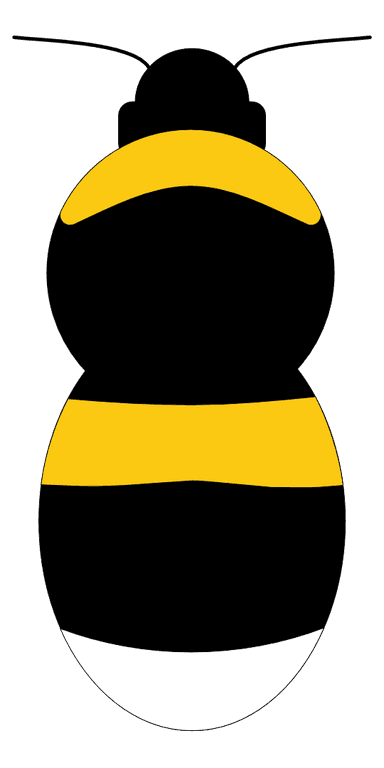
Black, fluffy
Collar
Mid-band
White
WORKER
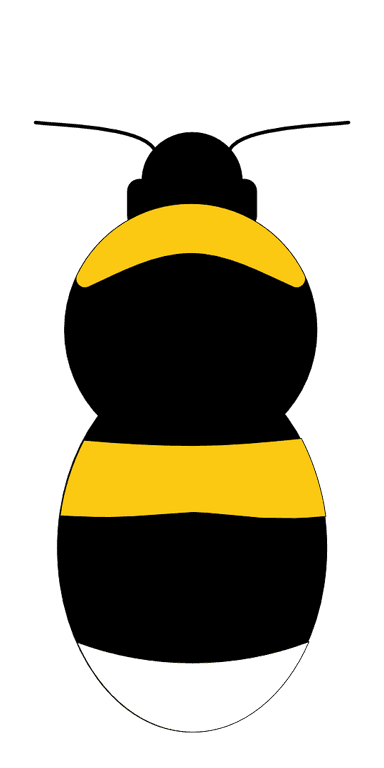
Black, fluffy
Collar
Mid-band
White
MALE
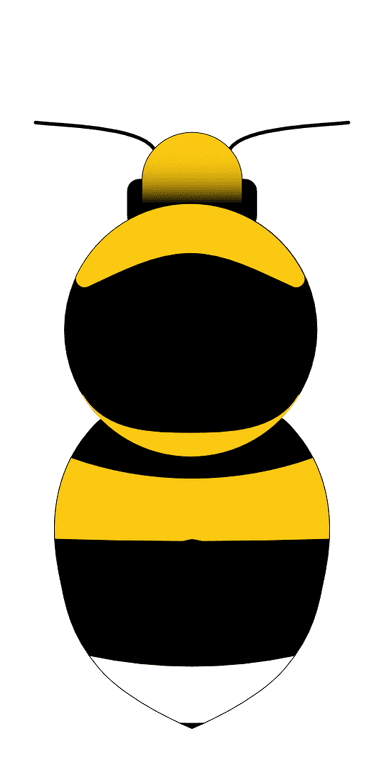
Yellow, fluffy
Collar, rear
Mid-band
White
A group of 3 different bees: White-tailed, Northern and Cryptic
Males can have multiple pale-yellow abdomen bands
Has all black form, but always has white tail
Will nectar rob from deep flowers
White-tailed bumblebee (agg)
Bombus lucorum (aggregate)
Heather
Knapweed
Scabiouses
Teasel
Thistle
White clover
Nesting
Underground; love old rodent nests
1 - 2 cycles per year
Quite long-lasting - about 6 months
Around 200 workers
Distribution
Widespread across UK
Habitat: most habitats but do like flowery gardens and meadows
Willughby's Leafcutter Bee
Megachile willughbiella
MALE
Fluffy bronze hair
Black, bronze 'halo'
Black, faint stripes
Black
White leg hairs
FEMALE
Fluffy bronze hair
Black, bronze 'halo'
Black, faint stripes, orange underside
Black
Circles cut from leaves indicate these bees
Abdomen upturned and visible when foraging - and can look yellow if covered in pollen
Males patrol flowers and hedges, driving other insects away
Use bee hotels - overwinter as larva
Willughby's Leafcutter Bee
Megachile willughbiella
dead- nettles
primroses
thistles
brambles
vetches
knapweed
Nesting
Sunny sheltered spots, in dead wood, soil, plant pots, hollow stems, walls
Use leaves to make nest cells
Fly: May - August
Distribution
All across UK, more common as you move south, localised in Scotland
Habitat: gardens, brownfield, agricultural land, urban sites
Wool Carder Bee
Anthidium manicatum
MALE
Black, yellow, pale hair
Black
Black, yellow side dots
Short spines
Yellow patches on legs
FEMALE
Black, yellow
Black
Black, yellow side dots
Black, yellow
Yellow patches on legs
Big bees, males bigger than females
Unusually, females emerge first
Sometimes the yellow spots look rectangular
Territorial males hover, dive, head-butt and use tail spines when fighting
Females fly with balls of fibres in mandibles
Wool Carder Bee
Anthidium manicatum
kidney vetch
purple toadflax
greater mullein
lavender
yarrow
dead-nettles
Nesting
Pre-existing holes in walls, wood, hollow stems, bee hotels
Females gather hairs from furry plants to make nest cells
May - August
Distribution
Frequent England, less frequent moving northwards, south coast Wales, scarce Scotland.
Habitat: gardens, parks, heaths, open woodland, wetlands, brownfield