Basic Information
White tail has yellow trim or black band and red tip.
Widespread and early emerging.
Classification
Keynotes
Earliest emerging, and smallest, British cuckoo bumblebee
Front abdomen band can be very faint
Females have very downcurved abdomen
Males very variable but have distinctive white tail with black band and red tip
Nest Information
Uses Early, Heath, Bilberry bumblebee nests
Underground, in thick vegetation, bird boxes, tree holes etc.
1 or 2 cycles per year
Numbers unknown
Distribution
Widespread across UK
Can be common in some areas, less common in Ireland
Habitat: woodlands, gardens, parks, heaths, moors
Castes
MALE
JuneBoxy, black
Collar
Front
White, black, red
FEMALE
MarchBoxy, black
Collar
Front
White, yellow trim
Flower Preferences
Short tongue. Likes dandelions, dead-nettles and bilberry.
Bilberry
Brambles
Knapweed
Scabious
Willow

Dandelion
Taraxacum officinale
Dead-nettle
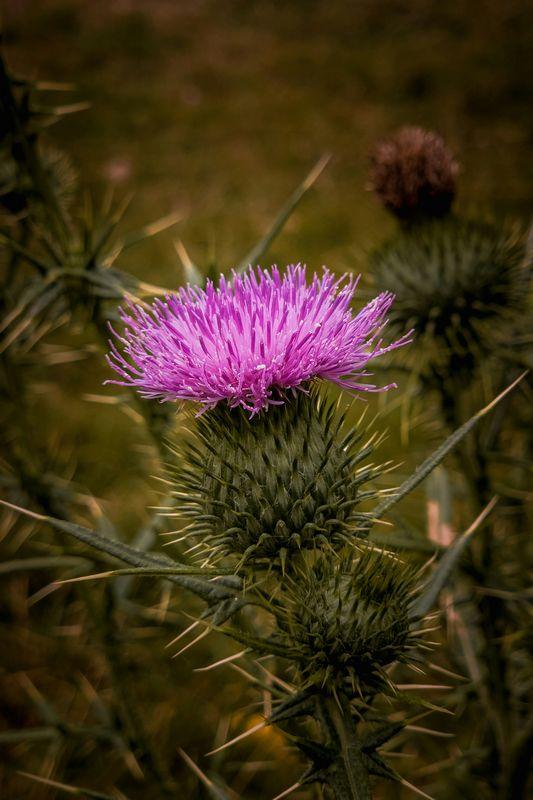
Thistle
Cirsium